The Science Behind Why Students Learn Better in Small Interactive Classes
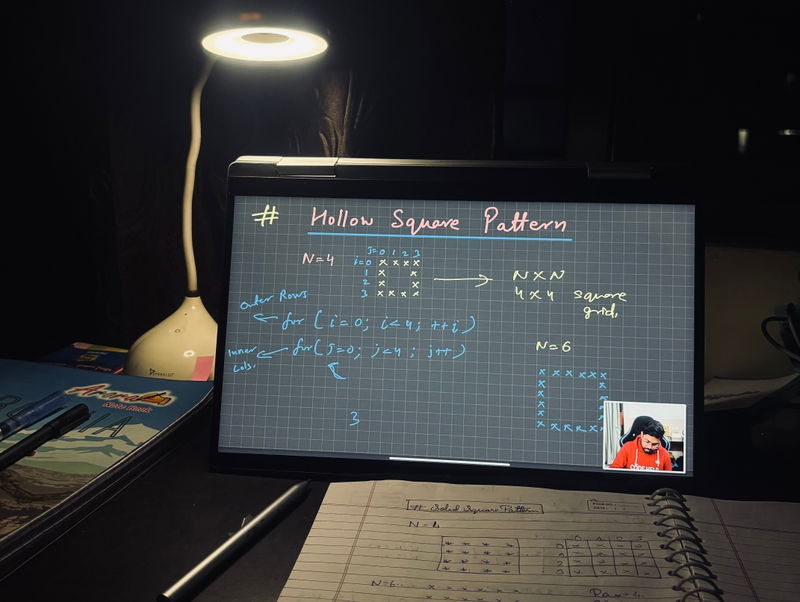
Education has never been just about completing textbooks or preparing for exams. The way students learn plays an equally important role in determining how well they understand, remember, and apply new concepts. Over the years, educational research has consistently shown that students perform better when they actively participate in lessons rather than simply listening to lectures. This is one reason why Interactive Online Classes are becoming an increasingly popular choice for students and parents alike.
Unlike large classrooms where individual attention can be limited, small interactive sessions encourage discussion, collaboration, and personalised support. Learning platforms such as Concept Study have embraced this approach by creating live online classrooms where students can engage directly with tutors, ask questions confidently, and strengthen their understanding through meaningful interaction.
Why Active Participation Improves Learning
Many students believe that attending a lesson is enough to understand a topic. However, research in cognitive science suggests that learning becomes far more effective when students actively participate in the process.
Answering questions, discussing ideas, solving problems, and explaining concepts in their own words help learners strengthen their memory and develop a deeper understanding. Passive listening may help students recognise information, but active participation helps them retain and apply it.
This is exactly what makes Interactive Online Classes different from traditional one-way teaching methods.
Small Groups Create Bigger Learning Opportunities
One common misconception is that bigger classrooms expose students to more ideas. In reality, large groups often reduce individual participation because many students hesitate to ask questions or share their thoughts.
Smaller learning groups create a more comfortable environment where every student has an opportunity to contribute. Tutors can identify misunderstandings quickly, provide instant clarification, and encourage every learner to take part in discussions.
The result is a classroom where learning becomes a conversation instead of a lecture.
Personalised Learning Supports Every Student
No two students learn in the same way. Some understand concepts through visual explanations, while others prefer practical examples or detailed discussions.
This is where Personalised Learning becomes valuable. Instead of delivering identical lessons to every learner, tutors can adapt explanations according to each student’s pace and understanding.
Students receive focused guidance without feeling left behind, while confident learners continue progressing through more challenging concepts.
This balanced approach helps maintain motivation throughout the academic year.
Immediate Feedback Builds Confidence
One of the biggest advantages of live online education is instant feedback.
When students receive immediate corrections and explanations, they avoid repeating mistakes and gain confidence much faster. Instead of waiting days for answers, they can clarify doubts during the lesson itself.
This interactive process encourages curiosity because students become comfortable asking questions without worrying about making mistakes.
As confidence grows, academic performance often improves naturally.
Developing Skills Beyond the Classroom
Education today is about much more than examination results. Employers and universities increasingly value communication, collaboration, critical thinking, and problem-solving abilities.
Interactive learning helps students develop these essential life skills from an early stage. Participating in discussions, explaining ideas, and working through problems together teaches learners how to think independently while respecting different viewpoints.
These abilities remain valuable throughout school, higher education, and professional careers.
Technology Has Changed the Learning Experience
Modern digital classrooms are far more advanced than simple video calls.
Today’s Live Online Classes include interactive whiteboards, quizzes, collaborative activities, screen sharing, digital notes, and real-time discussions. These tools help maintain student engagement while making lessons more enjoyable.
Instead of becoming passive observers, students actively contribute throughout the learning process.
The combination of technology and effective teaching creates an environment where learning feels dynamic rather than repetitive.
Why Parents Appreciate Interactive Learning
Parents often look for educational support that goes beyond improving grades.
Interactive lessons encourage children to become more confident, responsible, and independent learners. Regular participation also helps improve communication skills and builds positive study habits that continue supporting students throughout their academic journey.
Many parents appreciate that online learning also saves travelling time, allowing children to spend more time revising, reading, or enjoying family activities.
A Smarter Way to Learn
Quality education is not measured by the number of hours spent studying but by how effectively those hours are used.
Students who actively participate, receive regular feedback, and learn in supportive environments often develop a stronger understanding than those who rely solely on passive revision.
Interactive learning creates opportunities for students to think critically, ask meaningful questions, and build confidence through continuous practice.
Final Thoughts
The future of education is becoming more interactive, flexible, and student-focused. Interactive Online Classes combine personalised guidance, real-time discussions, and engaging teaching methods to help students understand concepts more effectively while developing valuable lifelong skills.
Whether students are preparing for important examinations or simply aiming to become more confident learners, choosing an engaging learning environment can make a lasting difference. Educational platforms such as Concept Study continue to demonstrate how small interactive classes can transform online education into an experience that is both effective and enjoyable.
Comments
No comments yet. Be the first to comment!